All Categories
Featured
Table of Contents
Business application modernization refers to updating and keeping tradition systems to leverage modern-day technologies and architectures. This is critical in today's service environment, where to preserving a competitive edge. (EAM) involves re-engineering, re-architecting, or otherwise changing tradition systems to integrate with contemporary IT environments.
Unlike regular software application updates, which focus on small improvements and patches, EAM involves, often resulting in a more nimble, scalable, and future-proof system. Standard updates are reactive, addressing immediate requirements, while modernization is proactive, guaranteeing long-term system practicality. NewsvFunction signs up with AWS ISV Workload Migration Program For business, application modernization is not just an optionit's a need.
Updating these systems permits business to enhance scalability, improve security, and, ensuring they stay in a rapidly developing market. An international monetary organization just recently modernized its core banking system, resulting in a 15% to 20% boost in client satisfaction. This illustrates the concrete benefits that modernization can deliver, driving both functional efficiency and customer engagement.
Here's a closer look at the advantages that modernization brings to massive organizations. Business application modernization substantially increases the speed and effectiveness of organization processes.
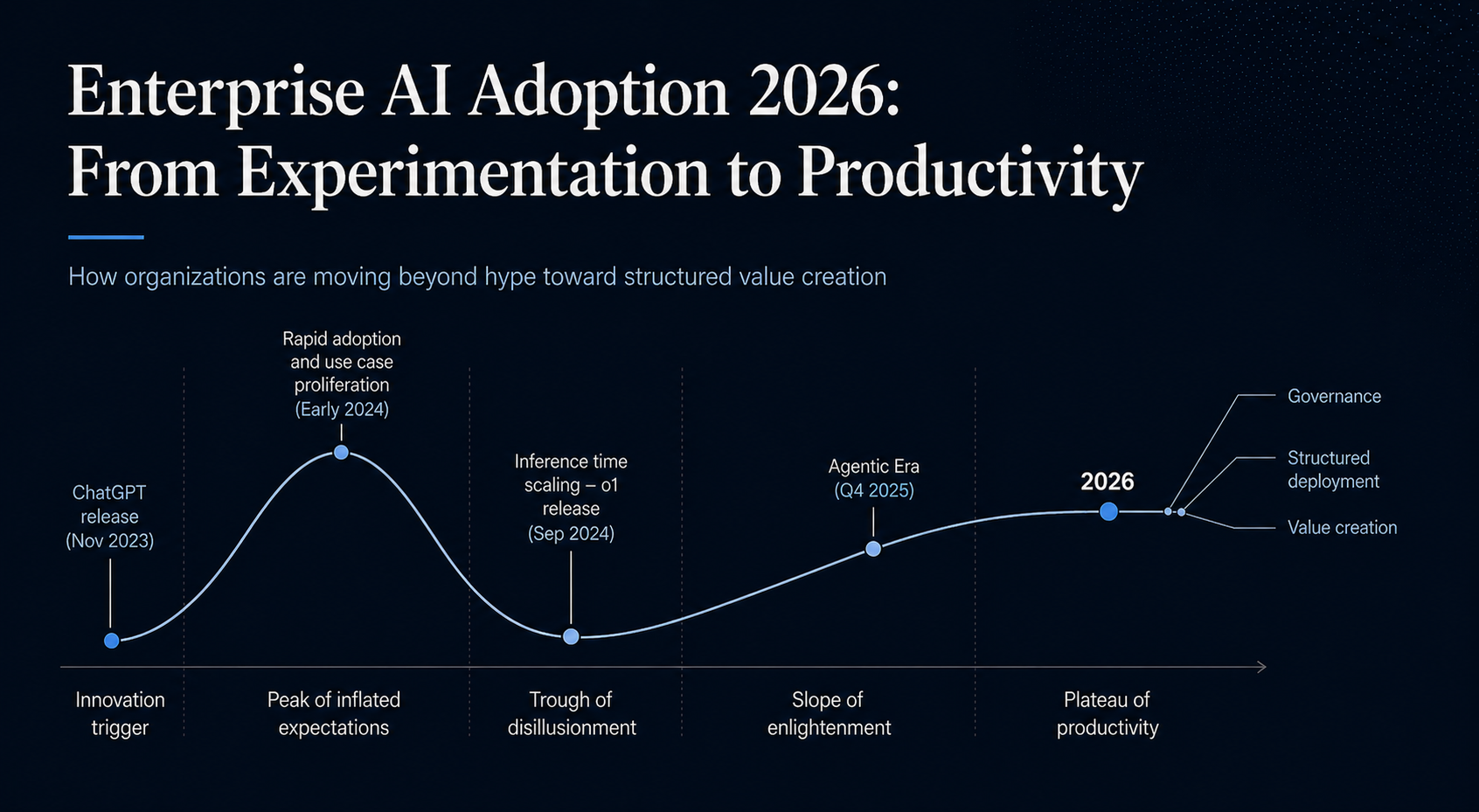
Boosting Enterprise ROI With AI Modernization
This enhanced information presence supports much better strategic preparation and operational effectiveness. With improved analytics, businesses can determine trends, optimize processes, and forecast consumer requires more accurately, driving much better results. As regulatory requirements become increasingly intricate, keeping compliance can be challenging for large companies. Modernized enterprise applications often include and structured reporting functions.
Among the most tangible benefits of enterprise application modernization is the reduction in operational costs. Organizations can achieve by enhancing resource usage and automating regular jobs. In addition, modernized systems frequently need less upkeep and are more durable, leading to lower upkeep expenses, less disruptions, and more expense reductions over time.
This not just increases customer fulfillment but.Enterprises that prioritize modernization in customer-facing applications can expect to see greater engagement and loyalty, translating into better company efficiency. Finally, in business application modernization, the developer experience is ending up being as criticalif not more sothan the consumer experience. Developers are constructing, maintaining, and evolving the software application that serves customers, so their ability to work efficiently is paramount.
Is Your Organization Ready for the 2026 Shift?
Concentrating on enhancing designer workflows, lowering ineffectiveness, and ensuring positioning in between designers and management straight enhances modernization efforts and keeps skill engaged and productive. In this context, improving developer experience ends up being an essential motorist of effective transformation. "A great deal of our time is spent on upkeep and bug fixing compared to feature advancement.
Given the increasing requirement for modernization, numerous companies have actually successfully browsed the app modernization procedure utilizing distinct techniques. These methods ensure that enterprises can update their applications efficiently while maintaining thoroughness and accuracy. Numerous business effectively improve their applications by embracing among a number of distinct strategies. a.k.a. "lift and shift", moves applications to a new environment with very little code modifications, while shifts them to a more modern-day platform, allowing access to newer innovations without a total overhaul.
an outdated system with a brand-new solution is typically selected when the cost of keeping the legacy application exceeds the benefits. These methods help ensure efficient modernization while preserving system stability and accuracy. Even with a distinct technique, the complexity of business application modernization can cause inefficiencies if not carefully handled.
The Hidden Advantages of Moving Tradition Backups to AIExpert Tips for Scaling Cloud-Based AI Frameworks
Comprehensive evaluation and goal-setting are fundamental to a successful modernization job. Before start, it's important to of the current systems and specify clear objectives. It's never enough to simply state, "We need our application to be more modern-day." You need to figure out what reasons lie behind the modernization efforts, whether it be: Expense savings Reducing churn Increased stability Increased capability to innovate Enhanced designer experience Or perhaps something completely different.
Ensuring that all relevant stakeholders are involved from the beginning is vital. Continuous interaction and feedback loops throughout the job not just help in aligning expectations however also in that develop. This collaborative method fosters a sense of ownership and dedication amongst all celebrations involved. Choosing the best technologies is central to the success of any modernization effort.
Effective technology adoption can significantly enhance the general modernization outcome, as demonstrated by enterprises that carefully align innovation options with their business goals. One of the main difficulties in business application modernization is keeping business connection. Techniques to minimize operational disruption consist of phased rollouts, comprehensive testing, and clear interaction strategies.

Latest Posts
Key Steps to Unlocking Total Digital Transformation
Shifting From Legacy Systems to Future-Proof Cloud Frameworks
Leveraging Value Through Smart Enterprise Modernization