All Categories
Featured
AI systems depend on huge amounts of information to learn and make accurate predictions or suggestions. Work closely with your IT department to assess your information readiness. Assess the availability, quality, and compatibility of your data across different systems. Guarantee appropriate data governance, security, and compliance steps remain in place to support AI integration.
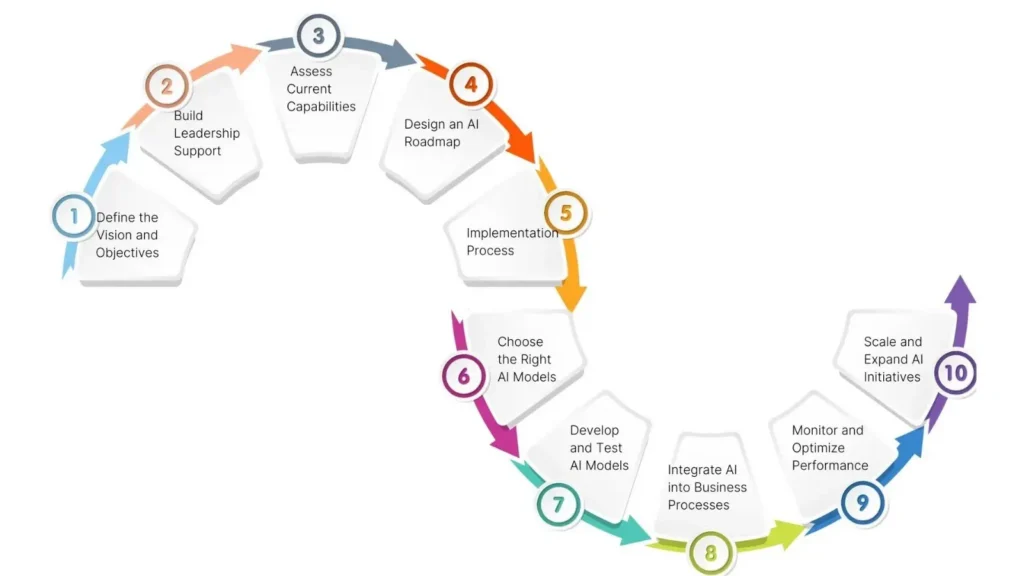
Work together with IT experts to assess various AI platforms, tools, and services that line up with your objectives. Prior to implementing AI on a large scale, it is a good idea to pilot and test the technology in a regulated environment.
Executing AI in client service includes considerable modifications for both customers and staff members. Establish an extensive modification management plan that attends to interaction, training, and support needs.
Leading Enterprise Change Through Strategic Adoption RoadmapsWork together carefully with your IT department or AI supplier to perfectly incorporate the innovation into your existing systems. Make sure proper information connection, system compatibility, and security measures are in location.
Leading Enterprise Change Through Strategic Adoption Roadmaps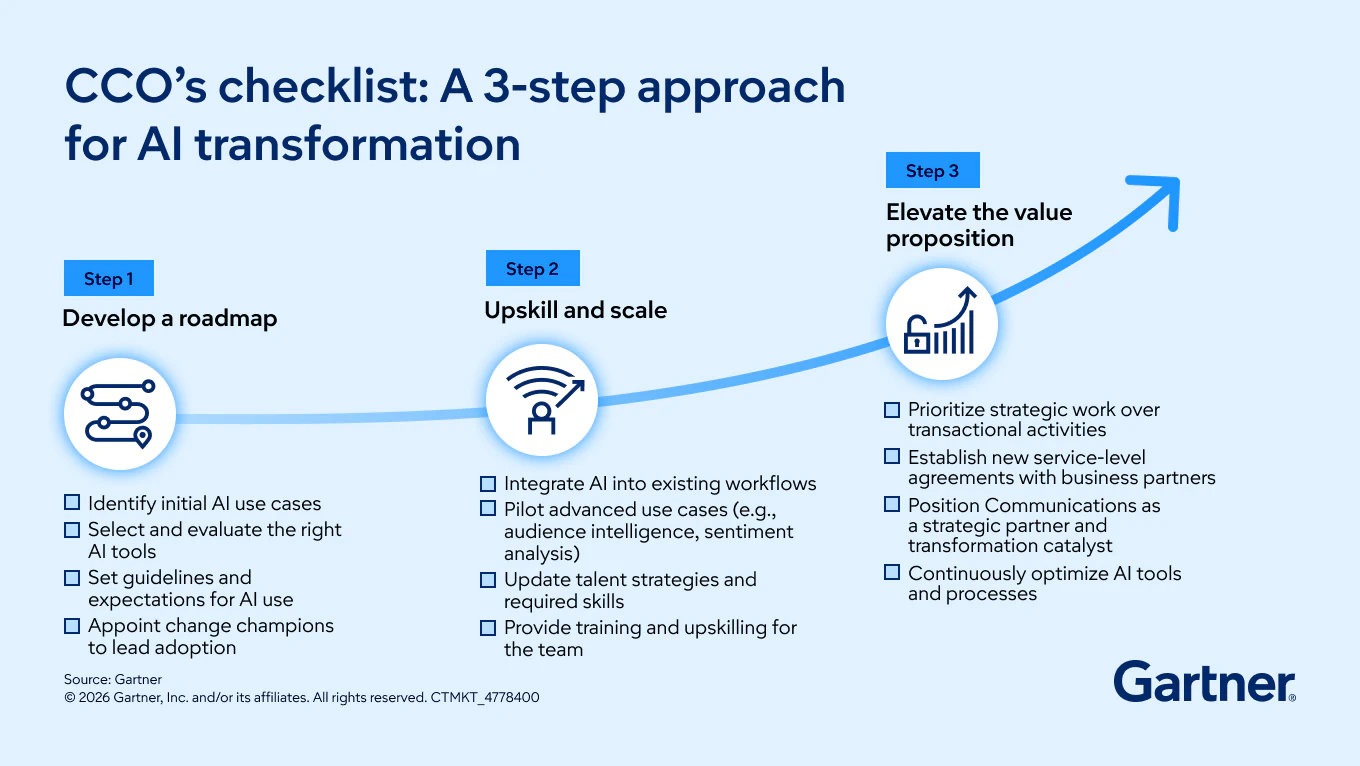
Throughout the AI adoption procedure, closely monitor and analyze crucial performance indicators (KPIs) associated to customer support. Track metrics such as reaction time, first contact resolution rate, client satisfaction scores, and representative productivity. By comparing pre and post-implementation information, you can evaluate the impact of AI on these metrics and determine locations for enhancement.

Latest Posts
Key Steps to Unlocking Total Digital Transformation
Shifting From Legacy Systems to Future-Proof Cloud Frameworks
Leveraging Value Through Smart Enterprise Modernization